Leak Detection in Parkrose
Leak Detection for Parkrose properties. Describe the problem, compare the repair scope and ask for current availability before booking.
- Arrival window confirmed to Parkrose
- No overtime or after-hours fees
- Discuss the repair scope before work
Leak Detection in Parkrose: where the assessment starts
Leak detection narrows down where water is escaping before unnecessary access openings are made. Dampness, a higher bill and low flow are clues, but none identifies a leak location on its own.
- Arrival window confirmed to Parkrose
- Upfront flat-rate — no overtime fees
- Discuss the repair scope before work
- Live dispatcher 24/7 — no voicemail
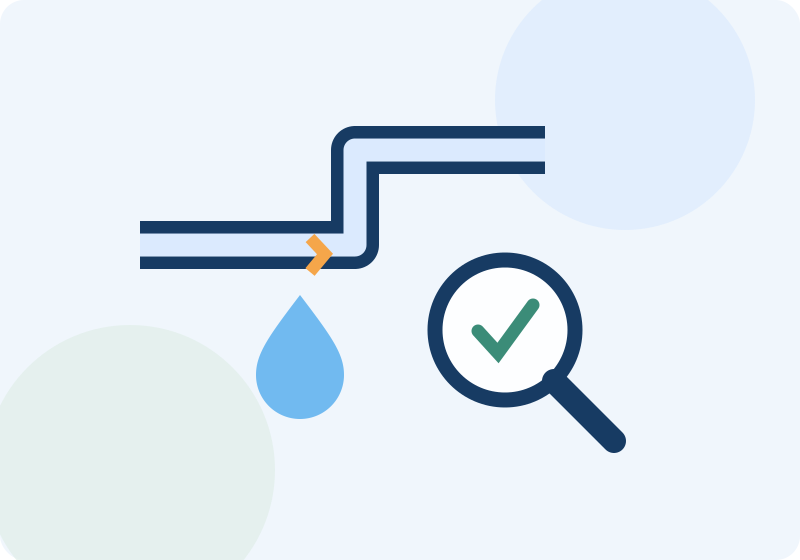
Diagnosis and repair options
The investigation separates supply leaks from drain leaks, fixture failures and non-plumbing moisture. Isolation, pressure checks, acoustic equipment or moisture measurements are selected according to the symptoms and accessible system.
The findings may support a targeted access opening and repair, or indicate that another source needs investigation. Detection and the physical repair are separate scopes and should be explained before work starts.
Ask how the suspected location was established, what remains uncertain and what access is proposed. A thermal image or moisture reading alone should not be presented as proof of a specific broken pipe.
Leak Detection Process in Parkrose
Water meter isolation test
We isolate the meter and verify whether active leakage is occurring before deploying detection equipment — confirms there's a leak to find.
Acoustic and thermal sweep
Acoustic listening equipment amplifies the sound of water under pressure escaping a pipe. Thermal imaging shows temperature differentials from wet building materials.
Pinpoint and mark location
We narrow the leak to within inches of its location without opening walls until we're confident — minimizing unnecessary access damage.
Quote repair and proceed
Once located, we quote the repair on the spot and can proceed same-visit for most accessible pipe leak repairs.
Need leak detection in Parkrose?
Call (971) 367-8197 — live answer 24/7, ask for the current arrival window.
Preparing for a visit in Parkrose
Record when dampness appears, whether it changes with fixture use and any recent work. Have water-use information or prior reports available if relevant; do not open walls or floors just to make the leak easier to show.
Identify the affected building or unit and describe any distance between the work area, shutoff and known cleanout. Keep vehicle and gate access clear, but leave excavation and opening concealed pipe routes until the fault is assessed.
Call (971) 367-8197Leak Detection in Parkrose — FAQs
Common questions about leak detection in Parkrose, Portland.
How much does leak detection cost in Portland?
The price depends on diagnosis, access, parts and the agreed work. Ask what is included in the assessment and request the repair scope and price before authorizing work. Additional restoration or specialist work should be identified separately.
What is a slab leak and how is it detected?
A slab leak is a leak in a supply or drain line running beneath a concrete slab floor. Signs include warm spots on the floor, the sound of running water when nothing is on, and a cracked or heaving slab. We detect slab leaks using acoustic listening and pressure isolation before recommending repair.
Can a hidden leak cause structural damage?
Yes — undetected leaks inside walls, under slabs, or in crawl spaces cause wood rot, mold growth, compromised insulation, and in severe cases, structural softening. Early detection is significantly cheaper than the remediation of long-term water damage.
How long does leak detection take?
The time depends on the fault, access, parts availability and the work agreed after diagnosis. Ask for the expected repair duration and any follow-up before approving the scope.
How do plumbers detect hidden water leaks?
We use a combination of methods: acoustic listening devices that amplify the sound of water escaping a pressurized pipe, thermal cameras that show temperature differentials from wet insulation, and water meter isolation tests that confirm active leakage when all fixtures are off.