Sewer Camera Inspection in St. Johns
Sewer Camera Inspection for St. Johns properties. Describe the problem, compare the repair scope and ask for current availability before booking.
- Arrival window confirmed to St. Johns
- No overtime or after-hours fees
- Discuss the repair scope before work
Sewer Camera Inspection in St. Johns: where the assessment starts
A sewer camera inspection records the visible interior of an accessible drain or sewer line. It can help identify deposits, roots, offsets and damage, but the camera must be able to reach and see the area in question.
- Arrival window confirmed to St. Johns
- Upfront flat-rate — no overtime fees
- Discuss the repair scope before work
- Live dispatcher 24/7 — no voicemail
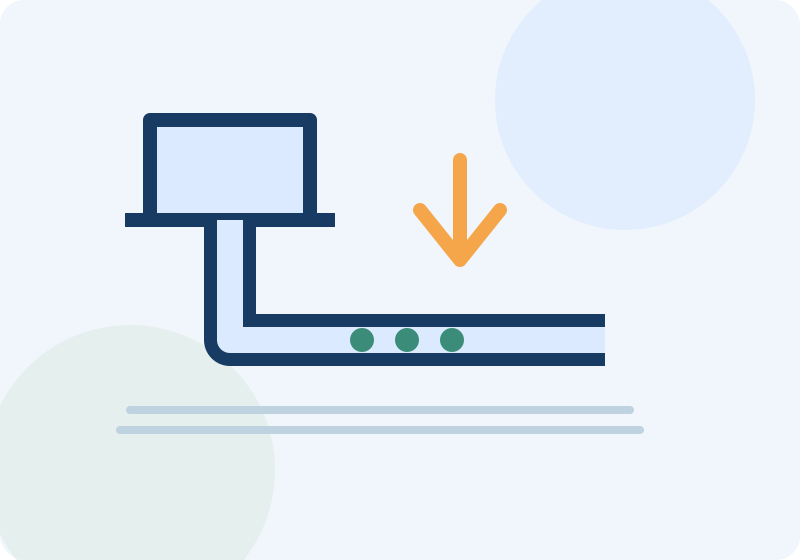
Diagnosis and repair options
The report should identify the access point, the inspected length, visible findings and limitations such as standing water or an obstruction. A camera image does not by itself establish the condition of every hidden section.
Findings may support cleaning, a targeted repair or a more detailed assessment. A line may need clearing before a useful inspection can be completed. Ask whether the recording, locating and written findings are included.
A repair recommendation should point to the relevant finding and location, explain uncertainty and compare appropriate options. A camera inspection is not a blanket guarantee against future sewer problems.
Sewer Camera Inspection Process in St. Johns
Access the cleanout
We locate and open the main line cleanout to insert the camera — no digging required for most residential inspections.
Run the camera
A CCTV push camera is fed through the full length of the lateral, recording video of the pipe interior condition in real time.
Review findings with you
We walk you through the video on site, pointing out any findings and explaining what they mean for repair timing and method.
Written report and recording
You receive a written condition report and the video recording — useful for insurance, real estate transactions, and repair planning.
Need sewer camera inspection in St. Johns?
Call (971) 367-8197 — live answer 24/7, ask for the current arrival window.
Preparing for a visit in St. Johns
Provide the cleanout location, reason for the inspection and any prior reports. For a property transaction, arrange owner permission and clarify the deadline and documentation required.
Tell us whether the problem is inside a fixture, under the building or outside, and identify any prior repairs or inspection reports. If more than one building uses the line, explain the connection and access permissions.
Call (971) 367-8197Sewer Camera Inspection Near St. Johns
Sewer Camera Inspection in St. Johns — FAQs
Common questions about sewer camera inspection in St. Johns, Portland.
Should I get a sewer scope before buying a house?
Yes — strongly recommended for any Portland home built before 1975. Clay and Orangeburg sewer laterals can have significant damage that isn't visible from above ground. A $250 inspection can prevent a $10,000 surprise after closing.
How long does a sewer camera inspection take?
The time depends on the fault, access, parts availability and the work agreed after diagnosis. Ask for the expected repair duration and any follow-up before approving the scope.
Do you provide video and a written report?
Yes — we record the full camera run and provide a written condition report with screenshots of any notable findings. This documentation is useful for real estate transactions, insurance, and planning repair timelines.
Can a camera inspection find all sewer problems?
A camera inspection finds most interior pipe problems — root intrusion, cracks, scale, offset joints, and grease buildup. It won't show external conditions like pipe depth or soil type. For full repair planning, we combine camera inspection with pipe locating if needed.
What does a sewer camera inspection show?
A camera inspection shows the interior condition of your drain and sewer lines: root intrusion, pipe cracks, offset or separated joints, scale buildup, grease accumulation, bellied pipe sections, and collapsed sections. We record the video and provide a written report with our findings.